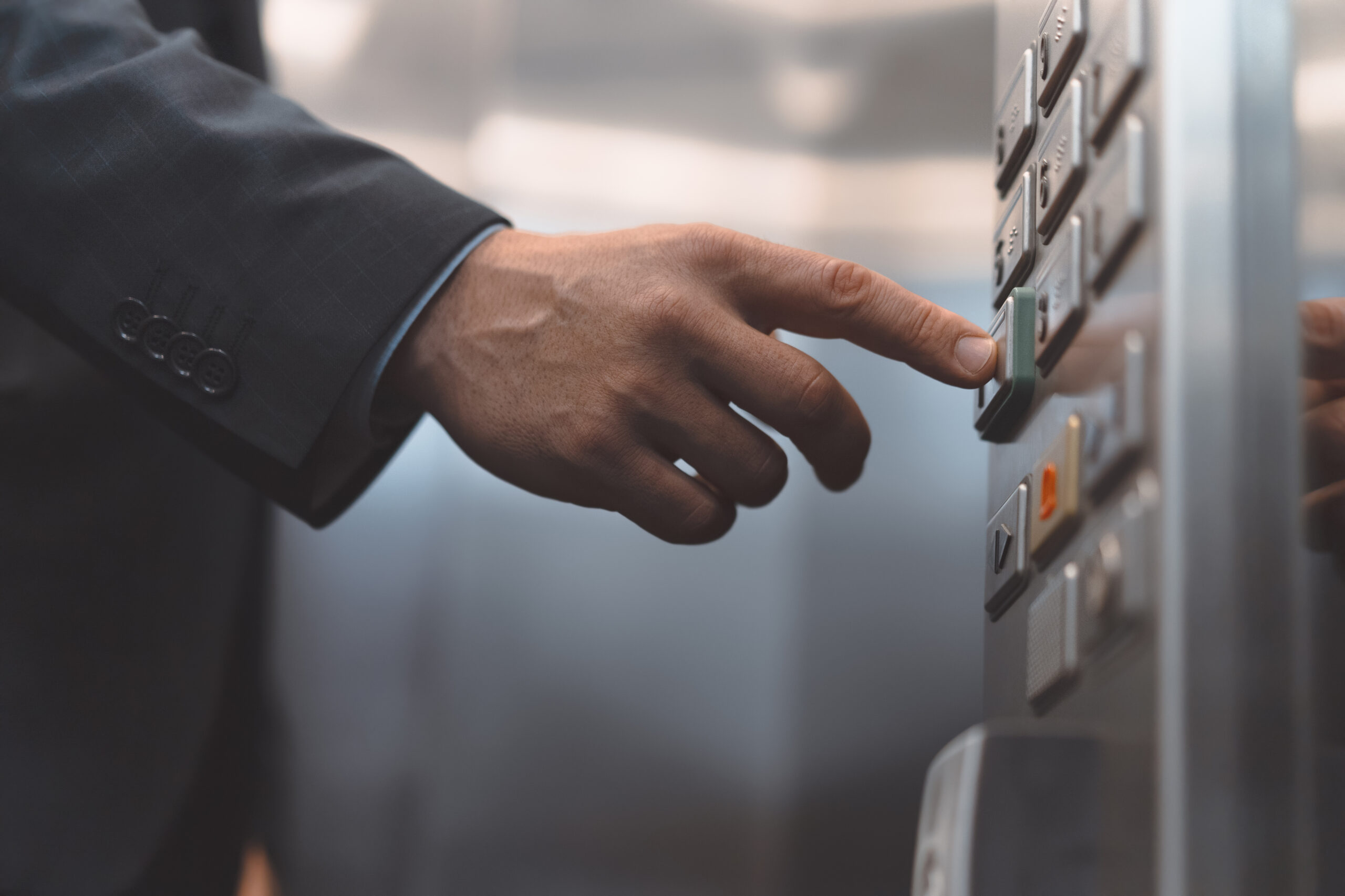
Generally, people board elevators casually, but a sudden mechanical failure can change everything. In New Jersey, determining liability for these accidents isn’t always straightforward. Elevator accident claims often involve multiple parties. Please read on to better understand how these claims work and why connecting with our experienced Union County Slip & Fall Lawyers is in your best interest.
What Are the Most Common Causes of Elevator Accidents in New Jersey?
Elevators are essential components of buildings that people rely on for safety and convenience every day. However, these intricate transport systems depend on interconnected parts, sensors, and safety features that must function flawlessly to prevent harm. Common causes of elevator accidents include:
- Improper Leveling: This occurs when the elevator stops misaligned with the floor, creating a dangerous gap that poses a significant tripping risk.
- Faulty Door Operation: The doors may close prematurely, fail to detect obstructions, or slide open while the cab is not aligned with the floor level.
- Equipment Deterioration: Typically stems from neglected maintenance, including failing cables, broken sensors, or compromised braking systems.
- Calibration Failures: These issues stem from improper tuning or postponed routine inspection and service.
Who Can Be Held Liable?
When it comes to liability in elevator accidents, multiple parties may be held accountable for a malfunctioning unit, including:
- The property owner, for neglecting to keep the premises safe or failing to conduct mandatory inspections.
- The building management company, if they were tasked with the day-to-day operations and maintenance of the building.
- The elevator maintenance contractor, if the accident resulted from improper repairs or skipped service updates.
- The elevator manufacturer, if a design flaw or production defect triggered the mechanical failure.
It should be noted that property owners and landlords are subject to strict standards when it comes to structural maintenance, especially intricate systems like elevators. When a property owner knows about a maintenance issue and fails to rectify it, that documented awareness serves as critical evidence. A qualified attorney can help uncover records of past complaints and repair logs to support your claim.
What Do You Need to Prove?
For a successful claim, you must prove:
- The party responsible had a legal obligation to ensure the elevator was safe.
- They failed to uphold that obligation through neglect, including poor maintenance or skipped inspections.
- This failure directly caused your injuries.
- You sustained actual damages as a result of their negligence, such as lost income, medical bills, or other related losses.
Elevator accidents can result in devastating consequences. If you or a loved one were injured due to a malfunctioning elevator, it’s advisable to connect with a dedicated attorney from Lee Law Firm, LLC. Our legal team is prepared to help you fight for the compensation you need to get your life back on track. Contact our firm today to schedule a consultation.